Radiation-Detection Systems Are Quietly Running in the Background All Around You
Radiation-Detection Systems Are Quietly Running in the Background All Around You
Did you know that radiation-detection systems are constantly working behind the scenes to keep us safe? These systems are designed to monitor and detect levels of radiation in various environments, from hospitals and nuclear power plants to airports and industrial facilities.
These systems use a variety of technologies, including Geiger counters, scintillation detectors, and spectral analysis, to accurately measure radiation levels. They can detect both natural sources of radiation, such as cosmic rays and radon gas, as well as man-made sources like medical imaging equipment and nuclear waste.
While most people may not be aware of these systems, they play a crucial role in ensuring public safety and protecting the environment from harmful radiation exposure. For example, radiation-detection systems are used to monitor radiation levels in drinking water and food supplies, as well as to prevent illicit trafficking of radioactive materials.
One of the key advantages of these systems is their ability to operate quietly in the background without causing disruption or alarm. This allows them to continuously monitor radiation levels and provide real-time data to operators, who can take immediate action if any abnormal readings are detected.
As technology continues to advance, radiation-detection systems are becoming more sophisticated and efficient, with improved sensitivity and accuracy. These advancements are helping to enhance our ability to detect and mitigate the risks associated with radiation exposure, whether from natural or man-made sources.
So, the next time you pass through a security checkpoint at an airport or walk past a hospital imaging facility, remember that radiation-detection systems are quietly working behind the scenes to keep you safe. Their presence may go unnoticed, but their impact on our health and well-being is undeniable.
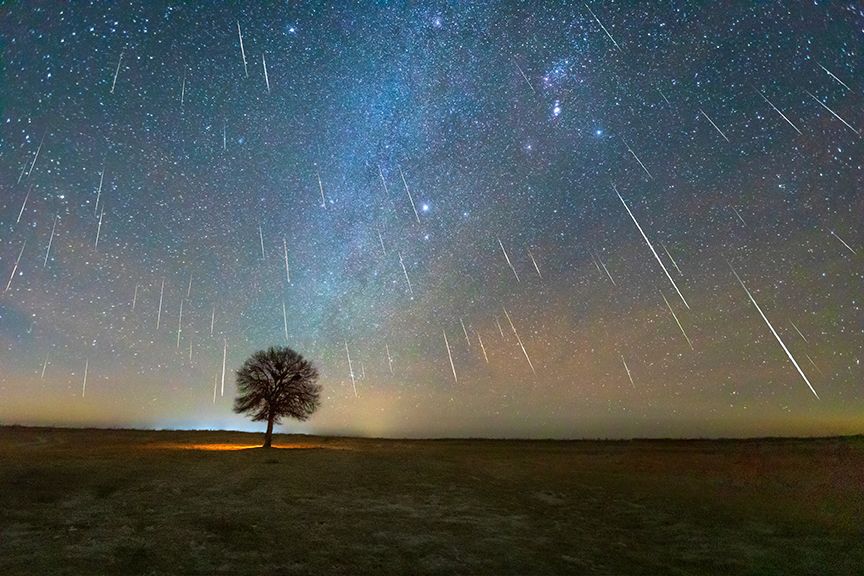
How to Watch the Final Meteor Shower of 2025

He Went to Prison for Gene-Editing Babies. Now He’s Planning to Do It Again

Could You Use a Rowboat to Walk on the Seafloor Like Jack Sparrow?
About The Author
