The Environmental and Human Rights Costs of China’s Clean Energy Investments Abroad
The Environmental and Human Rights Costs of China’s Clean Energy Investments Abroad
China’s investments in clean energy projects abroad have been hailed as a positive step towards combating climate change. However, there are growing concerns about the environmental and human rights costs associated with these investments.
One major issue is the environmental impact of large-scale clean energy projects, such as hydropower dams and solar farms. These projects can have significant negative effects on local ecosystems, including the destruction of habitats and displacement of communities.
Furthermore, there are concerns about the human rights abuses that can occur in the construction and operation of these projects. Workers are often subjected to poor working conditions, low wages, and lack of safety regulations.
In addition, local communities may be forcibly displaced to make way for clean energy projects, leading to the violation of their land rights and loss of livelihoods.
It is essential for China to address these environmental and human rights concerns in its clean energy investments abroad. This can be done through conducting thorough environmental impact assessments, ensuring fair labor practices, and consulting with local communities to gain their consent.
By taking these steps, China can demonstrate its commitment to sustainable development and respect for human rights in its global clean energy investments.
In conclusion, while China’s clean energy investments abroad have the potential to make a positive impact on the fight against climate change, it is crucial to consider and address the environmental and human rights costs associated with these projects.

Could You Use a Rowboat to Walk on the Seafloor Like Jack Sparrow?

People Are Already Taking This Unapproved New Weight-Loss Drug
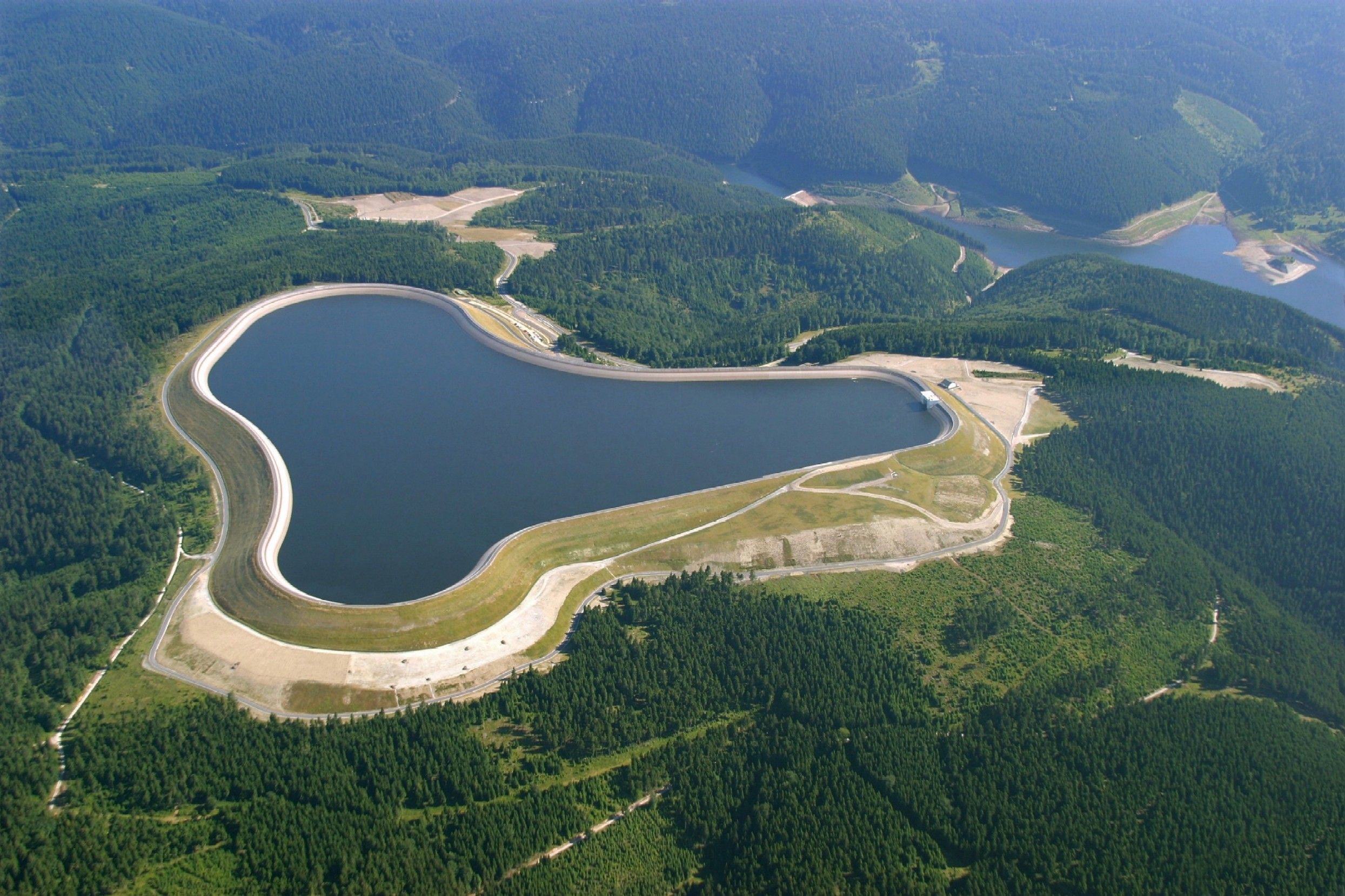
Pumped Hydro Energy Storage Is Having a Renaissance
About The Author
